
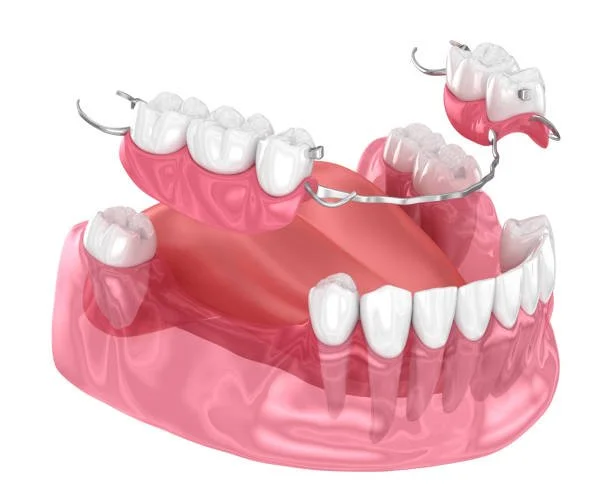
When it comes to replacing missing teeth, you have more than one reliable option. Dental bridges and partial dentures both restore your ability to chew, speak, and smile with confidence—but they differ in comfort, cost, and how long they last. Understanding those differences can help you make the best choice for your smile.
At SmileCare, in Columbia, we take the time to explain the pros and cons of each treatment, so you can make an informed decision that fits your lifestyle and goals. If you’ve been comparing dental bridges vs. partial dentures in Columbia, this guide will walk you through how each works and what to expect.
Comfort and Functionality in Columbia
When comparing dental bridges vs. partial dentures in Columbia, one of the biggest differences patients notice is how each option feels in daily use. A dental bridge is fixed permanently in place, supported by your natural teeth or dental implants. This means it feels more like your own teeth, offering stability and comfort when eating or speaking.
Partial dentures, on the other hand, are removable appliances designed to replace several missing teeth at once. While they can restore function effectively, some patients find that it takes time to get used to the sensation of wearing them.
Do partial dentures feel bulky compared to bridges in Columbia?
It’s common for new denture wearers to feel that their appliance is a bit bulky or awkward at first. However, with a custom fit and a short adjustment period, most patients adapt quickly. At SmileCare in Columbia, we take extra care to ensure your restoration feels as natural and comfortable as possible—whether you choose a fixed bridge or a removable partial denture.
Longevity and Durability in Columbia
When comparing dental bridges vs. partial dentures in Columbia, it’s helpful to consider how long each option is expected to last. A dental bridge is a more permanent solution, typically lasting 10 to 15 years or even longer with good oral hygiene and regular dental checkups. Because bridges are fixed in place and made from durable materials like porcelain or ceramic, they tend to withstand daily chewing forces very well.
Partial dentures, while reliable and affordable, generally have a shorter lifespan. Over time, natural changes in your gums and jaw can affect how they fit, requiring adjustments or eventual replacement.
Which lasts longer, a bridge or a partial denture?
In most cases, a dental bridge will outlast a partial denture. Bridges are designed to stay securely in place, providing long-term stability and function, while partial dentures may loosen or wear down with daily use. At SmileCare in Columbia, we help patients choose the option that best balances durability, comfort, and budget for their individual needs.
Oral Health Benefits in Columbia
When weighing dental bridges vs. partial dentures in Columbia, it’s also important to consider how each affects your long-term oral health. A dental bridge does more than just fill a gap—it helps prevent neighboring teeth from shifting out of position. Because it’s securely anchored to surrounding teeth or implants, it maintains proper spacing and bite alignment, which can protect your jaw health and make daily brushing and flossing easier.
Partial dentures, while effective for restoring multiple missing teeth, tend to be less stable. Since they rest on your gums and can be removed, they don’t offer the same degree of support or protection against tooth movement. Over time, this can lead to minor bite changes or pressure points on the gums if the fit loosens.
At SmileCare in Columbia, we evaluate your overall oral health before recommending a treatment so you can choose the solution that best supports both your smile and your long-term wellness.
FAQs About Bridges vs. Partials in Columbia
Which looks more natural, bridges or partial dentures?
Both bridges and partial dentures are designed to restore your smile, but dental bridges typically look and feel more natural because they’re permanently fixed in place. The materials used for modern bridges—such as porcelain or ceramic—are crafted to match your surrounding teeth in color and shape, giving a seamless, lifelike appearance. Partial dentures can also look great, but because they’re removable, they may not blend quite as flawlessly with your natural teeth.
Can partial dentures be upgraded to bridges in Columbia?
Yes, in many cases, you can upgrade from partial dentures to dental bridges in Columbia if your supporting teeth and gums are healthy enough. Some patients even transition to implant-supported bridges, which provide greater stability and longevity. At SmileCare, we’ll carefully evaluate your oral health and bone structure to determine whether a bridge or implant solution would be the best next step for you.
Are bridges easier to clean than partial dentures?
While both require daily care, dental bridges are generally easier to maintain because they’re fixed in place—you can brush them just like natural teeth, using a floss threader or interdental brush to clean beneath the bridge. Partial dentures, on the other hand, need to be removed and cleaned separately each day. Dr. Majka and his team in Columbia will teach you how to care for whichever restoration you choose so it stays comfortable and lasts as long as possible.
Compare Bridges and Dentures in Columbia
Choosing between dental bridges and partial dentures in Columbia doesn’t have to be overwhelming. At SmileCare, we’ll walk you through every option, explain the pros and cons, and help you find the solution that fits your smile, budget, and lifestyle. Whether you’re replacing a few teeth or exploring implant-supported restorations, our team is here to make the process comfortable and stress-free.
If you’re ready to restore your smile with a durable, natural-looking solution, schedule a consultation today at our Columbia dental office. Together, we’ll create a personalized plan to bring back your confidence and comfort.