
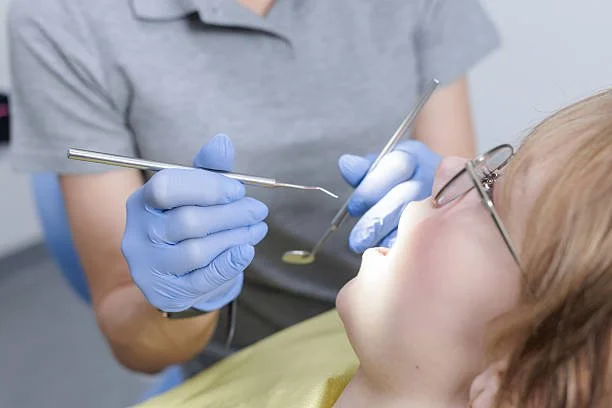
Even with careful brushing, the deep grooves in your back teeth can be difficult to keep completely clean. Food particles and cavity-causing bacteria can settle into these tiny spaces, where toothbrush bristles may not always reach.
Dental sealants provide an extra layer of protection by covering those grooves with a thin, smooth coating. At SmileCare, we often describe sealants as a protective shield that helps keep food and bacteria away from cavity-prone areas. They are most commonly recommended for children, but some adults can benefit from them as well.
What Dental Sealants Are and How They Work
Dental sealants are thin, protective coatings applied to the chewing surfaces of the back teeth. Molars and premolars naturally have small pits and grooves that can trap food particles and bacteria, even when you brush carefully.
A sealant flows into these hard-to-clean spaces and hardens to form a smooth protective barrier. By keeping cavity-causing bacteria and food debris out of the grooves, sealants can reduce the risk of tooth decay. They do not replace brushing, flossing, or routine dental visits, but they provide extra protection where teeth are often most vulnerable.
Who Should Consider Dental Sealants
Children are often good candidates for dental sealants as soon as their permanent molars come in, typically around ages six and twelve. Protecting these teeth early can help prevent cavities while children are still developing consistent brushing habits.
Teenagers may also benefit, especially if their molars have deep grooves or they have a history of tooth decay. Although sealants are commonly associated with younger patients, cavity-prone adults can be candidates too. Adults with healthy molars that do not already have fillings or decay may benefit from added protection in difficult-to-clean areas.
Your dentist can examine your teeth and recommend sealants based on your age, dental history, and individual cavity risk.
How Long Dental Sealants Last
Dental sealants can protect teeth for several years, but they may gradually wear down from everyday chewing. Their lifespan can vary depending on their placement, your bite, and habits such as grinding or clenching your teeth.
During routine dental visits, your dentist will check the sealants for signs of wear, chipping, or separation from the tooth. If a sealant becomes damaged or worn, it can usually be repaired or replaced quickly. Regular checkups help ensure that sealants continue providing effective protection.
FAQs About Dental Sealants
Are Sealants Only for Children?
No. Although sealants are most commonly recommended for children and teenagers, cavity-prone adults may benefit from them too. Your dentist can determine whether the chewing surfaces of your teeth are suitable for sealants.
Do Sealants Replace Brushing?
No. Sealants protect the grooves of the back teeth, but they do not cover every tooth surface. Brushing twice a day, flossing daily, and attending regular dental visits are still essential for preventing cavities and maintaining a healthy smile.
Can Sealants Fall Off?
Sealants can occasionally chip, wear down, or come loose, particularly after years of chewing. Your dentist will monitor them during routine checkups and can repair or replace a damaged sealant when necessary.
Prevent Cavities with Dental Sealants in Columbia
Dental sealants offer a simple, comfortable way to protect cavity-prone teeth. At SmileCare in Columbia, we can evaluate your or your child’s smile and determine whether sealants would provide worthwhile protection.
Contact our office today to schedule an appointment and learn how dental sealants can help keep your family’s smiles healthy.