
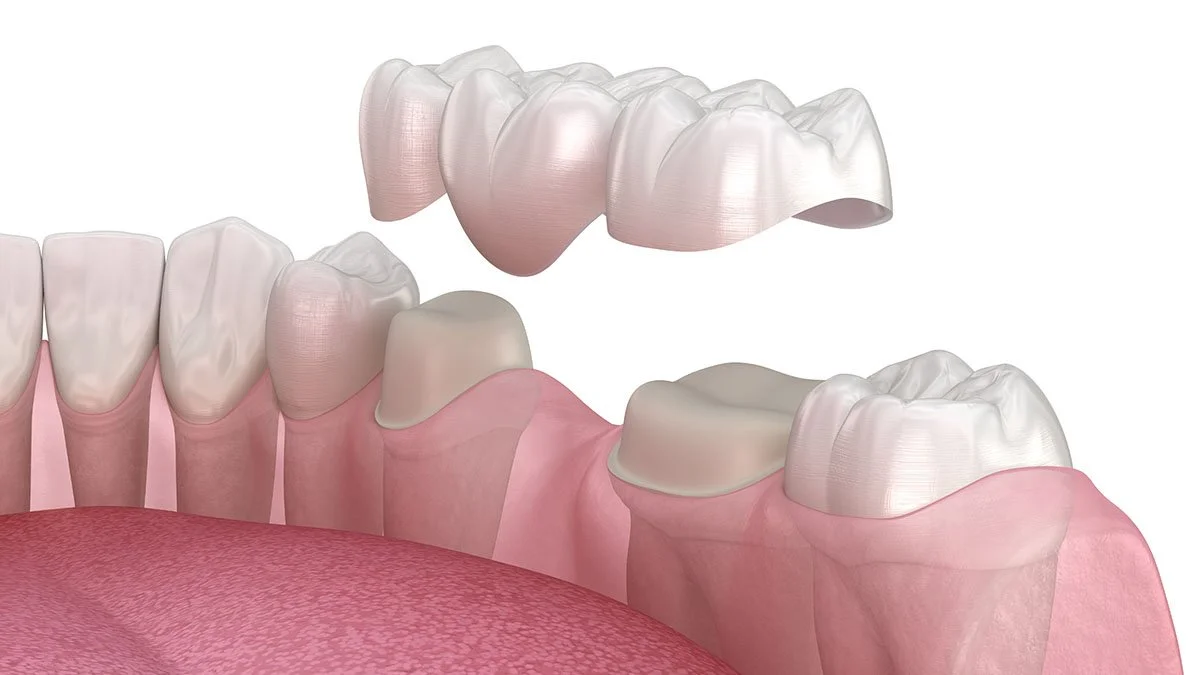
If you’ve lost one or more teeth, you know how much it can affect your smile, confidence, and ability to chew comfortably. A dental bridge is a tried-and-true restorative solution that “bridges” the gap created by missing teeth. The restoration consists of a false tooth (or teeth) supported by crowns on the natural teeth on either side. Dental bridges not only restore appearance but also prevent shifting teeth, bite problems, and speech difficulties.
At SmileCare, one of the most common questions we hear from patients is: “Am I a candidate for a dental bridge?” Not everyone qualifies, so understanding the requirements is important before pursuing this treatment. In this guide, we’ll explain who makes a good dental bridge candidate in Columbia, health factors that may affect eligibility, alternatives to bridges, and frequently asked questions from our patients.
What Makes a Good Candidate for a Dental Bridge in Columbia
Dental bridges are a great option for many patients, but certain conditions must be met to ensure long-term success. Ideal candidates typically:
Are missing one or two adjacent teeth: Bridges are best suited for small gaps where the teeth on either side are still strong enough to provide support. Larger gaps may require implants or partial dentures.
Have healthy supporting teeth: The anchor teeth (abutments) must be free of major decay, fractures, or other issues. They provide the foundation for the bridge, so their strength is essential.
Have strong gums: Healthy gum tissue ensures the bridge fits securely and helps protect the underlying tooth roots. Gum disease must be treated before moving forward.
Have good oral hygiene habits: Patients who brush, floss, and see their dentist regularly are more likely to keep their bridge in excellent condition for many years.
Bridges are often recommended for patients who want a quicker, less invasive solution than implants, or who may not be candidates for implant surgery due to bone density concerns or medical conditions. During your consultation at SmileCare, we’ll assess your teeth, gums, and bite carefully to determine whether a bridge is the right choice for restoring your smile, both functionally and aesthetically.
Health Conditions That Affect Bridge Eligibility in Columbia
Not every patient is immediately ready for a dental bridge. Certain health conditions can affect whether bridges are safe or effective, including:
Gum disease: If you have untreated gum disease, placing a bridge on weakened gums could worsen the problem. Gum therapy or periodontal treatment is usually needed first to restore gum health before moving forward.
Weak anchor teeth: If the teeth supporting the bridge are heavily decayed, fractured, or filled extensively, they may not be strong enough to serve as abutments. In some cases, these teeth need crowns or other restorative work before a bridge is placed.
Bone loss: Significant bone loss around teeth can compromise stability, making bridges less effective. This is especially true if the teeth intended as supports are loose due to advanced bone recession.
Systemic conditions: Diseases like uncontrolled diabetes, autoimmune disorders, or certain medications can impact healing and gum health, which are critical for long-term bridge success. Patients with these conditions may require additional monitoring or alternative treatments.
At SmileCare, we always evaluate overall oral and medical health before recommending a dental bridge, ensuring the foundation is strong for lasting results.
Can patients with gum disease get bridges in Columbia?
Yes, but only after gum disease is treated and properly managed. Gum health is essential because diseased gums cannot provide the stability needed to support a dental bridge. If bridges are placed on unhealthy gums, the risk of failure, discomfort, and further oral health complications increases significantly. At SmileCare, we begin by addressing periodontal concerns through deep cleanings, scaling and root planing, and ongoing maintenance to restore gum health. Once gums are healthy and strong, we can safely move forward with bridge treatment. This proactive approach ensures that the supporting teeth and surrounding tissues provide a secure, lasting foundation for your restoration. Patients who commit to consistent follow-up care and hygiene practices are much more likely to enjoy long-term success with their dental bridge.
Are dental bridges safe for diabetics in Columbia?
Yes, dental bridges can be safe for patients with diabetes, but it largely depends on how well the condition is controlled. Patients with uncontrolled diabetes often face challenges such as delayed healing, higher risk of infection, and gum issues that can compromise the stability of a bridge. Because gum and bone health are crucial for long-term success, it’s important that blood sugar levels are managed effectively before treatment begins. At SmileCare, we collaborate with patients and their medical providers to evaluate readiness for restorative care. With proper management, consistent oral hygiene, and regular follow-up visits, diabetic patients in Columbia can successfully receive and maintain dental bridges, restoring both function and aesthetics to their smile.
Alternatives for Patients Not Suited for Bridges in Columbia
For patients who are not ideal candidates for a dental bridge, there are excellent alternatives available:
Dental implants: Implants replace the tooth root with a titanium post and are topped with a crown. They don’t rely on neighboring teeth for support, making them ideal when surrounding teeth are weak, damaged, or missing entirely. Implants also help preserve jawbone health by stimulating the bone, which bridges cannot do. Though they require a longer healing process, they provide unmatched stability and longevity.
Partial dentures: A removable option that can replace several missing teeth at once. While less stable than implants or bridges, partials are more affordable, require minimal preparation, and can be adjusted or replaced easily as needs change.
At SmileCare, we tailor treatment recommendations to each patient’s needs, budget, and health conditions, ensuring that even if a bridge isn’t right, you still have effective and reliable solutions for restoring your smile and confidence.
FAQs About Dental Bridge Candidacy in Columbia
Can children get dental bridges?
Generally, no. Dental bridges are not recommended for children or teens because their jaws and teeth are still developing. Placing a bridge too early can interfere with natural growth. Instead, alternatives such as space maintainers or temporary solutions may be considered until adulthood.
Can I get a bridge if I’ve had extractions years ago?
Yes, it’s possible, but it depends on the current condition of your teeth and gums. If too much bone or gum tissue has receded since the extraction, additional treatments such as bone grafting or gum therapy may be necessary before a bridge can be supported properly. In some cases, dental implants may be a better option for long-term success. At SmileCare, we’ll carefully evaluate your mouth with X-rays and an exam to determine whether a bridge is still feasible.
Do I need crowns on both sides of the gap?
In most traditional dental bridges, yes. Crowns are placed on the teeth on either side of the gap to securely hold the false tooth (pontic) in place. However, there are variations depending on the situation. For example, cantilever bridges only attach to one side, while Maryland bridges use bonded wings rather than full crowns. Your dentist at SmileCare will recommend the design that provides the best combination of stability, appearance, and protection for your unique needs.
How long do dental bridges last in Columbia?
With proper care, dental bridges typically last 10–15 years, and sometimes even longer. Their longevity depends on oral hygiene, gum health, diet, and whether the supporting teeth remain strong over time. Patients who grind their teeth or neglect regular dental care may see bridges fail sooner. At SmileCare, we provide personalized maintenance tips to maximize bridge lifespan. Regular checkups also allow us to monitor the bridge and supporting teeth closely, so any early issues can be corrected before they become bigger problems.
Do dental bridges feel like natural teeth?
Yes. Most patients in Columbia report that their dental bridge feels very similar to natural teeth once they’ve had a short adjustment period. Initially, you may notice slight differences in chewing or speaking, but this usually resolves quickly as your mouth adapts. Bridges are designed to restore normal bite function and appearance, making everyday activities like eating and smiling feel natural again. At SmileCare, we ensure each bridge is carefully fitted and matched in color so it blends seamlessly with your smile.
Find Out if You’re a Candidate for a Bridge in Columbia
Dental bridges are a reliable, long-lasting way to replace missing teeth, but not everyone qualifies right away. Understanding the requirements for candidacy, and treating any health issues first, ensures the best results.
At SmileCare, we take the time to evaluate your oral health, explain your options, and recommend the treatment that fits your needs and lifestyle. Whether it’s a bridge, implant, or another solution, our goal is to restore your smile with confidence.
If you’re wondering whether you’re a dental bridge candidate in Columbia, schedule a consultation with our team today and take the first step toward a complete, healthy smile.