
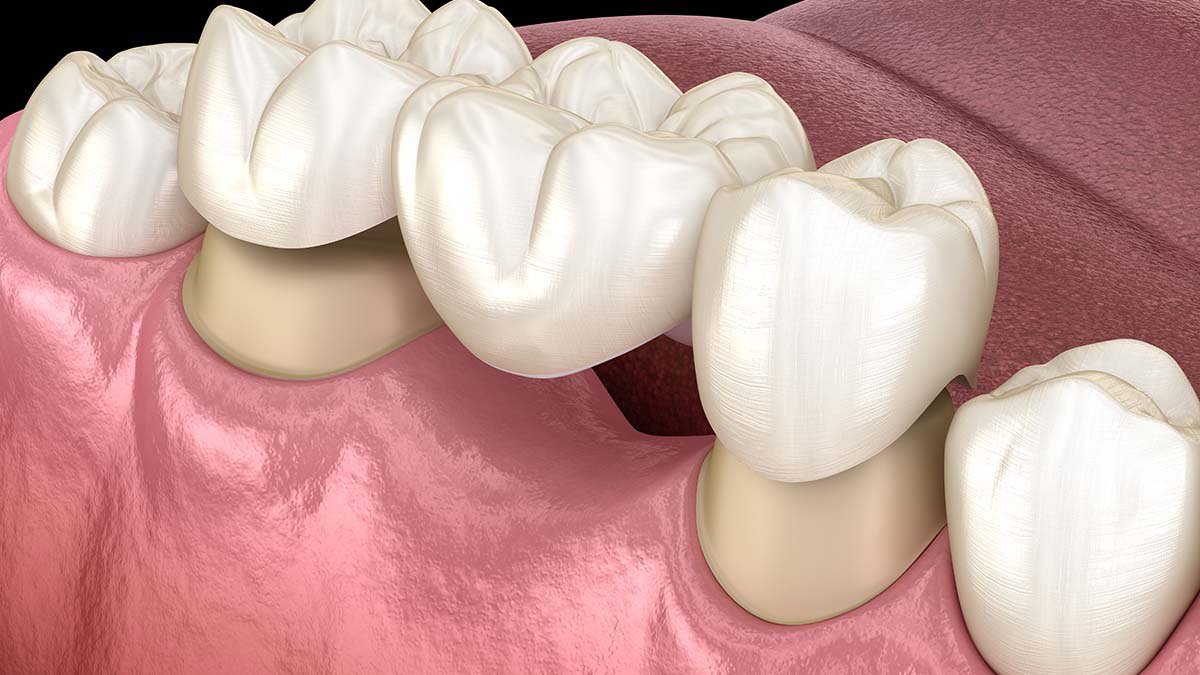
Dental bridges are a reliable and time-tested solution for replacing missing teeth. They restore function, prevent shifting of nearby teeth, and bring back the appearance of a full smile. But like all dental restorations, bridges aren’t immune to problems. Over time, issues can arise that affect comfort, appearance, or even the health of your natural teeth and gums.
At SmileCare, we want our patients to understand the signs of trouble so problems can be addressed early before they lead to bigger complications. In this guide, we’ll review the most common dental bridge problems in Columbia, how to spot them, steps to prevent them, and what to do if your bridge needs attention.
Common Problems with Dental Bridges in Columbia
Although bridges are built to be durable, they’re not indestructible. Some of the most frequent issues patients in Columbia experience include:
Loose bridge: Over time, the cement holding a bridge in place may weaken, or the supporting teeth may shift, causing the bridge to loosen. A loose bridge can trap bacteria, irritate gums, and cause discomfort when chewing.
Decay under crowns: While the bridge itself doesn’t decay, the teeth supporting it can. If bacteria slip underneath the crowns, cavities may form, threatening the stability of the entire restoration.
Gum irritation: Poorly fitted bridges or inadequate cleaning can lead to swollen, tender gums. Left untreated, this inflammation may progress into gum disease, which can shorten the lifespan of the bridge.
Breakage: Bridges can chip, crack, or even break entirely if subjected to trauma, constant grinding, or biting into very hard foods.
Each of these problems can be treated, but early detection is key. At SmileCare, we encourage regular checkups and professional cleanings so we can identify issues early and make repairs before they turn into larger, more costly problems. With proper care, most bridges can serve patients well for many years.
How to Spot Dental Bridge Complications in Columbia
Recognizing the early warning signs of bridge problems is crucial. Patients in Columbia should watch for:
Pain or sensitivity: Discomfort when chewing or sensitivity to hot and cold foods may indicate decay under the crowns, gum inflammation, or even an ill-fitting bridge. Persistent pain is never normal and should be evaluated promptly.
Shifting bite: If your bite feels different or your teeth don’t come together as they used to, your bridge may have loosened or moved out of alignment. This can place extra strain on surrounding teeth and joints.
Food trapping: Bridges can sometimes create spaces where food gets trapped, leading to discomfort, bad breath, and increased risk of decay or gum disease. Consistent food buildup should always be addressed.
Changes in appearance: Dark lines at the gumline, chips, cracks, or discoloration may signal damage, wear, or gum recession that requires professional care.
Spotting these issues early allows SmileCare to correct problems quickly, preventing bigger complications and helping your bridge last longer.
Why does food get stuck under my bridge in Columbia?
Food can sometimes get stuck under a bridge because of its design or changes in the gum tissue over time. Small gaps may develop where the pontic (false tooth) meets the gums, creating a space where debris collects. This isn’t just uncomfortable, but can also increase the risk of bad breath, decay, and gum disease if not addressed. Patients often notice that sticky foods like bread, seeds, or meat fibers are the most troublesome. The good news is that tools such as floss threaders, interdental brushes, and water flossers can make cleaning these areas easier. If food consistently collects beneath your bridge despite good hygiene, visit SmileCare for an evaluation. We’ll determine whether the bridge needs adjustment, repair, or replacement to ensure a comfortable fit and healthier smile.
Why does my dental bridge feel loose?
A dental bridge may feel loose if the cement bonding it has weakened, if decay has compromised the supporting teeth, or if gum disease has caused tissue loss around the abutments. Even normal wear and tear over time can affect how securely a bridge fits. A loose bridge is more than just annoying, but can allow bacteria to accumulate, leading to cavities, gum inflammation, or even failure of the restoration. Patients sometimes notice shifting when chewing or a “clicking” sensation. If your bridge feels unstable, don’t wait to schedule an appointment at SmileCare. In many cases, we can re-cement or adjust the bridge before replacement becomes necessary. Prompt treatment protects your natural teeth and helps extend the life of your bridge.
Preventing Problems with Dental Bridges in Columbia
Prevention is always easier than repair, and with good habits, you can keep your dental bridge functioning well for many years. Here are key steps:
Maintain excellent hygiene: Brush twice daily with a fluoride toothpaste and floss around your bridge. Special floss threaders, interdental brushes, or super-floss are designed to clean underneath the bridge where food often collects, helping to prevent decay and gum disease.
Use supportive tools: Many patients find water flossers especially effective for flushing out debris and reducing plaque buildup around bridges.
Protect your bridge: Avoid chewing on hard foods like ice, hard candy, or unpopped popcorn kernels. If you grind your teeth at night, a custom nightguard can protect your restoration from cracks or wear.
See your dentist regularly: Professional cleanings and exams allow us to check the fit of your bridge, monitor gum health, and detect early warning signs of problems.
At SmileCare, we provide each patient with individualized care instructions and product recommendations, ensuring your dental bridge stays strong, comfortable, and beautiful for years to come.
FAQs About Bridge Problems in Columbia
Can a dental bridge be repaired or must it be replaced?
It depends on the specific problem. In many cases, minor chips in porcelain or small issues with the cement holding the bridge in place can be repaired fairly easily by your dentist. These fixes may involve smoothing the surface, patching with composite material, or re-cementing the bridge. However, if the supporting teeth beneath the crowns have developed decay, if the bridge has fractured significantly, or if the fit is no longer secure, replacement may be the safer and more effective option. At SmileCare, we carefully evaluate the condition of both the bridge and supporting teeth before recommending whether a repair or replacement offers the best long-term stability for your smile.
Do dental bridges ever fall out?
Yes, although it’s uncommon, dental bridges can fall out. This usually happens when the dental cement bonding the bridge weakens over time or when the supporting teeth are no longer strong enough to hold it in place. Issues such as decay, gum disease, or trauma may also contribute to loosening. If your bridge falls out, keep the restoration in a safe container and call SmileCare right away. In some cases, we can re-cement the existing bridge if it and the supporting teeth are still healthy. In others, replacement with a new bridge may be necessary for proper function and longevity. Prompt attention ensures the problem doesn’t worsen or compromise surrounding teeth.
What if my bridge breaks on the weekend in Columbia?
A broken dental bridge can be stressful, especially if it happens outside of normal business hours. If your bridge breaks on the weekend, avoid chewing on the affected side and carefully save any pieces that come loose. Do not try to glue or reattach the bridge yourself, as household adhesives can damage your teeth and gums. Instead, call SmileCare and leave a message or follow instructions for emergency care. We prioritize urgent cases and will arrange for you to be seen as soon as possible. In the meantime, stick to soft foods and keep the area clean to minimize discomfort.
Can a dental bridge cause bad breath?
Yes, a dental bridge can contribute to bad breath if food particles and plaque build up around or beneath it. Because bridges create small spaces where bacteria can collect, patients who don’t clean carefully may notice odor, gum irritation, or even decay on the supporting teeth. Over time, this buildup can also increase the risk of gum disease. The good news is that thorough oral hygiene, including brushing twice a day, using floss threaders or interdental brushes, and incorporating a water flosser, can keep the area clean. At SmileCare, we teach patients specific techniques for bridge care so their restoration stays fresh, functional, and odor-free.
What should I do if food keeps getting trapped under my bridge?
If food regularly gets stuck under your bridge, start by using specialized tools like floss threaders, interdental brushes, or a water flosser to clean underneath more effectively. These tools are designed to reach the areas where standard floss often can’t. Avoid sticky or fibrous foods such as caramel, popcorn, or stringy meats, as these tend to worsen the problem. However, if trapping continues despite good home care, it may indicate that your bridge has a design flaw, a loose fit, or gum changes over time. In that case, schedule a visit at SmileCare. Sometimes a small adjustment or professional cleaning resolves the issue, but in other cases, a replacement bridge may be needed for a more secure, comfortable fit.
Get Help with Bridge Problems in Columbia
Dental bridges are durable, but problems can arise if they’re not cared for properly or if supporting teeth or gums develop issues. The good news is that most problems are manageable, especially when caught early.
At SmileCare, we specialize in restoring and maintaining dental bridges for long-term comfort and function. If you’re experiencing dental bridge problems in Columbia, don’t wait until small issues turn into major ones. Call our office today to schedule an appointment and let us help you protect your smile.